

- Better aesthetics than cheapest picks
- Decent fit and finish
- Under $70
You don’t need to spend $300 on a pool cue. You don’t even need to spend $150.
A real $60 stick beats a warped house cue every time. Your first year is better spent on stroke fundamentals than on shaft technology, and I’ve watched enough new players overspend on a cue they couldn’t feel the difference in to be blunt about it. If you want the wider beginner picture, our pool cues for beginners guide runs from this range up to about $200.
The best pool cues under $100 won’t give you low-deflection shaft technology or carbon fiber. You won’t get a McDermott or a Players with premium inlays. What you will get is a straight stick with a real tip and a decent wrap that feels consistent, which is everything you need to stop borrowing warped house cues and start building actual muscle memory.
One caveat before the picks: this range has shrunk. Cues that a few years ago sat comfortably under $75 now list well north of $100, and a lot of what’s left below that line is genuinely bad. Three cues still clear the bar, picked on build spec, current street price, and how they compare against the tier directly above them.
Quick Comparison
| Cue | Price | Shaft | Wrap | Tip | Best For |
|---|---|---|---|---|---|
| AKLOT Maple | ~$50 | Canadian maple | Irish linen | 13mm leather | Cheapest worth buying |
| CUESOUL Rockin | ~$68 | Maple | Irish linen | 13mm leather | Best balance of quality/price |
| Viper Sinister | ~$69 | Maple | Irish linen | 13mm leather | Best looking under $100 |
The Picks
Listed cheapest first. The CUESOUL in the middle is the one I’d hand a new player if they let me choose.
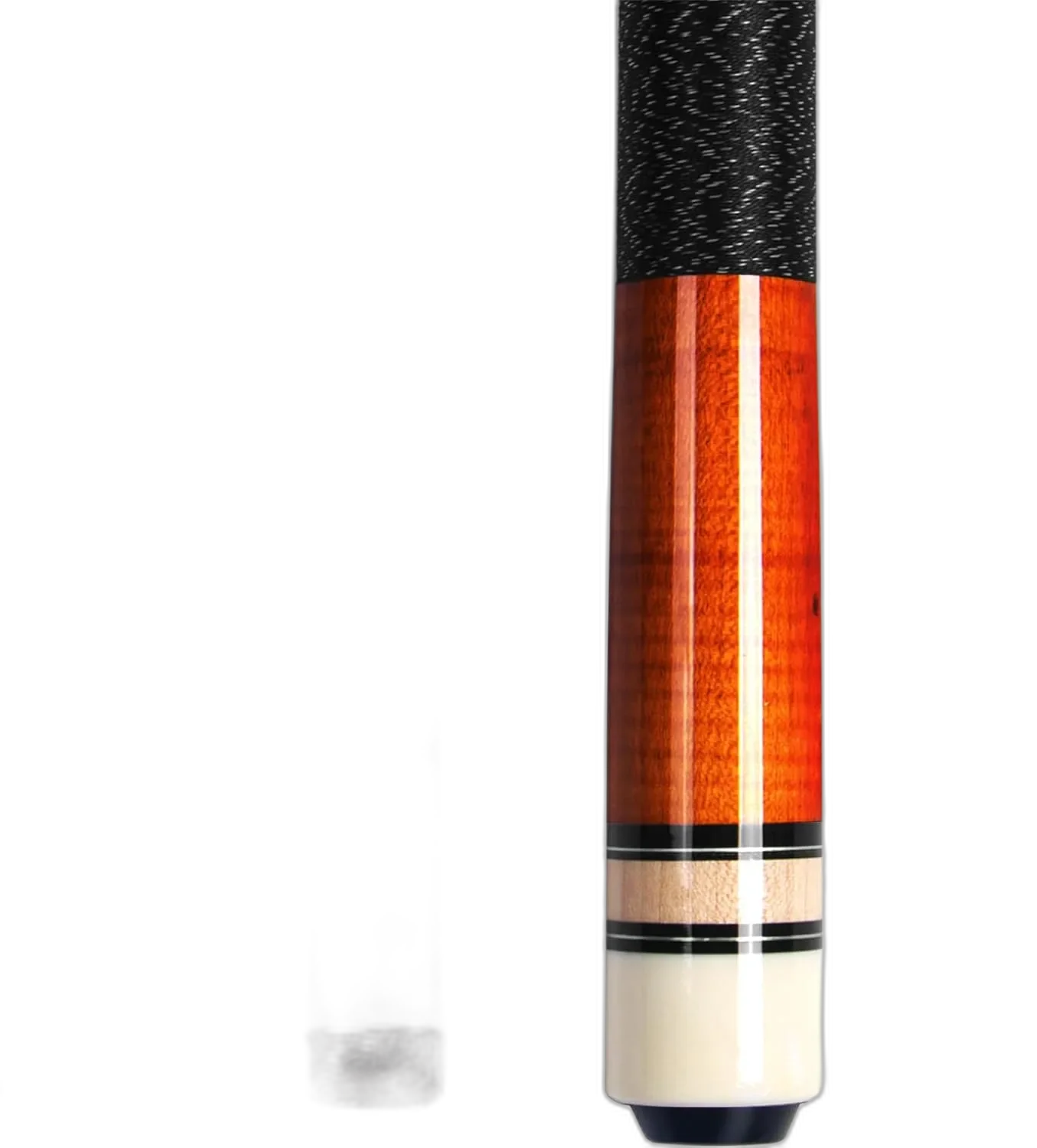
The cheapest cue worth owning, gets the job done at $50.
- Cheapest worth buying
- Canadian maple
- Irish linen wrap at $50
Hand-selected Canadian maple with an Irish linen wrap and a 13mm leather tip. At $50, this is the floor for what a real pool cue costs, and below it you’re into toy-grade sticks that won’t stay straight.
The catch is that AKLOT is an unknown quantity as a brand. There’s no service network and no warranty worth chasing. Nobody can tell you how one of these holds up after three years in a hot garage, so you’re buying a straight stick today and accepting that the long term is a blank.
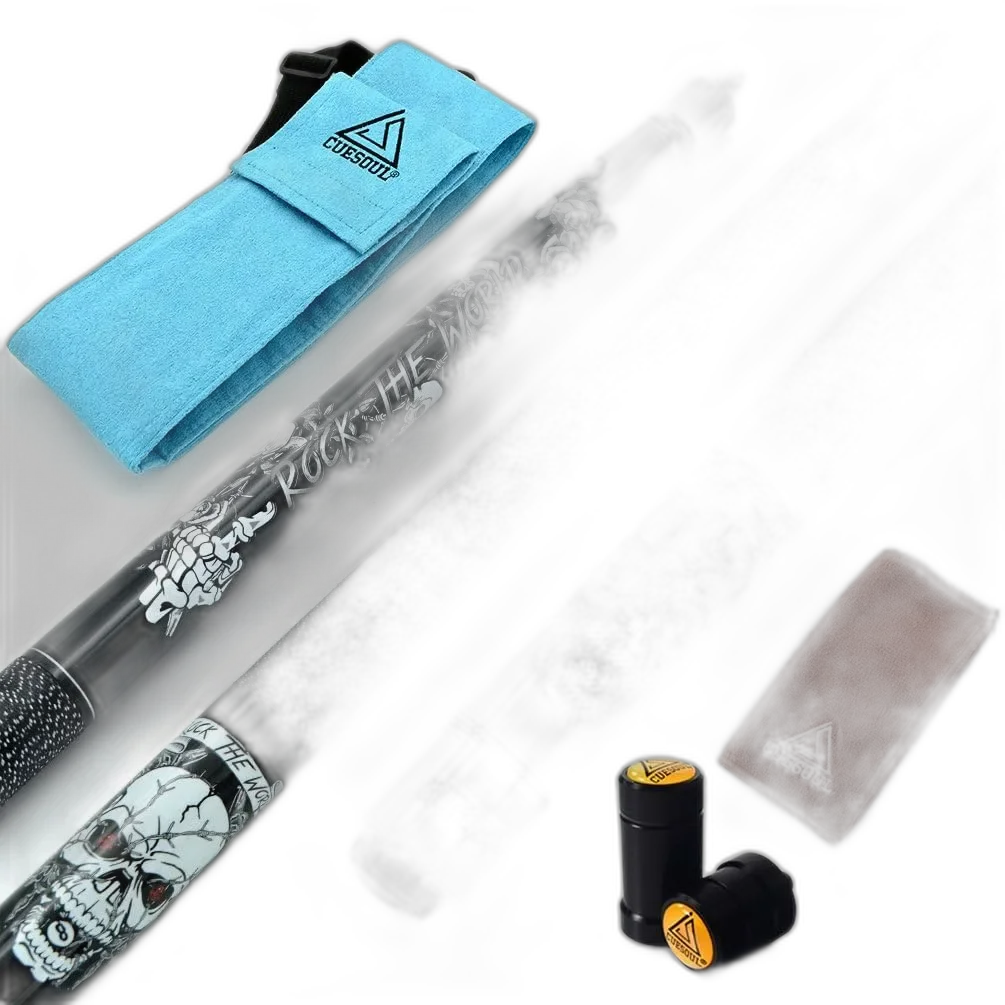
A notch above bare-bones budget cues in both style and build.
- Better aesthetics than cheapest picks
- Decent fit and finish
- Under $70
CUESOUL has been building affordable cues for years. The Rockin Series gives you a proper two-piece maple cue with a clean joint and noticeably better fit and finish than the AKLOT. Both cues use maple and Irish linen, but the CUESOUL looks and feels like you spent more.
It’s still a budget shaft, though. The maple grading is nothing special and you’ll feel the difference the first time you pick up a $200 cue, so treat the extra $18 over the AKLOT as buying pride of ownership rather than performance.
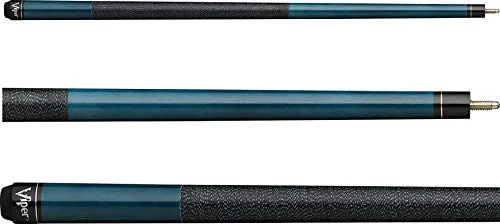
Best-looking cue under $100 that still plays well.
- Multiple finish options
- Clean inlay work for the price
- Irish linen wrap
The Viper Sinister is where under-$100 cues start looking like real cues. You get silver inlays and cleaner cosmetics than anything else at this price, plus multiple color options (dark brown, black/blue, black/maroon).
The shaft and tip are comparable to the CUESOUL, so the roughly $20 premium over the AKLOT buys you looks and nothing else. Viper is a GLD brand, which carries less weight at a pro shop than Viking or Players. Buy it if how your cue looks matters to you, and skip it if it doesn’t.
What Under $100 Gets You
At this price you’re buying a working tool. The goal is a straight stick that holds chalk and feels consistent without embarrassing you.
What you get: Canadian or standard maple shaft, Irish linen or basic wrap, a functional leather tip, and two-piece construction that fits in any standard cue case. Every cue here is straight and balanced enough for casual play and early development.
What you don’t get: Low-deflection shaft technology, premium tips (Kamui, etc.), carbon fiber, brand prestige, or tight enough tolerances for serious league play. None of which matters until you’re playing regularly enough to notice.
The tip is the one thing on that second list you can fix cheaply. A better tip runs $15-25 and a pro shop will install it for about the same again, which is the best $40 you can put into a budget cue. Our pool cue tip guide covers what’s worth buying at each price.
The step up: The jump from a $50 cue to a $150 cue (like the Viking Valhalla 100 or Collapsar CXL) is significant. Better wood grading, tighter joints, better tips, and brand backing. If you can stretch your budget to $120-150, you’ll get a meaningfully better cue. Our best cues for the money guide covers that range in detail.
But if $100 is a firm ceiling, these three picks are the ones worth your money.
The Bottom Line
The CUESOUL Rockin is the pick for most people, because $68 buys the best build in the range without asking you to care about brands. Go with the AKLOT maple cue instead if you want the most cue for the least money and you’re fine with an unknown brand. And if you’d rather have the one that turns heads at the bar, that’s the Viper Sinister.
Then stop shopping and go play pool.
If your budget can stretch a bit further, our best pool cues under $300 guide covers entry-level cues from McDermott, Players, and Viking starting around $120, a meaningful step up from the sub-$100 range.
Related Articles
For more on this topic, check out pool cue reviews, best cues for beginners, best pool cues for the money, best pool cue brands, and what a good cue costs.
The #1 recommendation from this guide, chosen for quality, value, and real-world performance.