

- Carbon at entry price
- Humidity-proof shaft
- Consistent hit
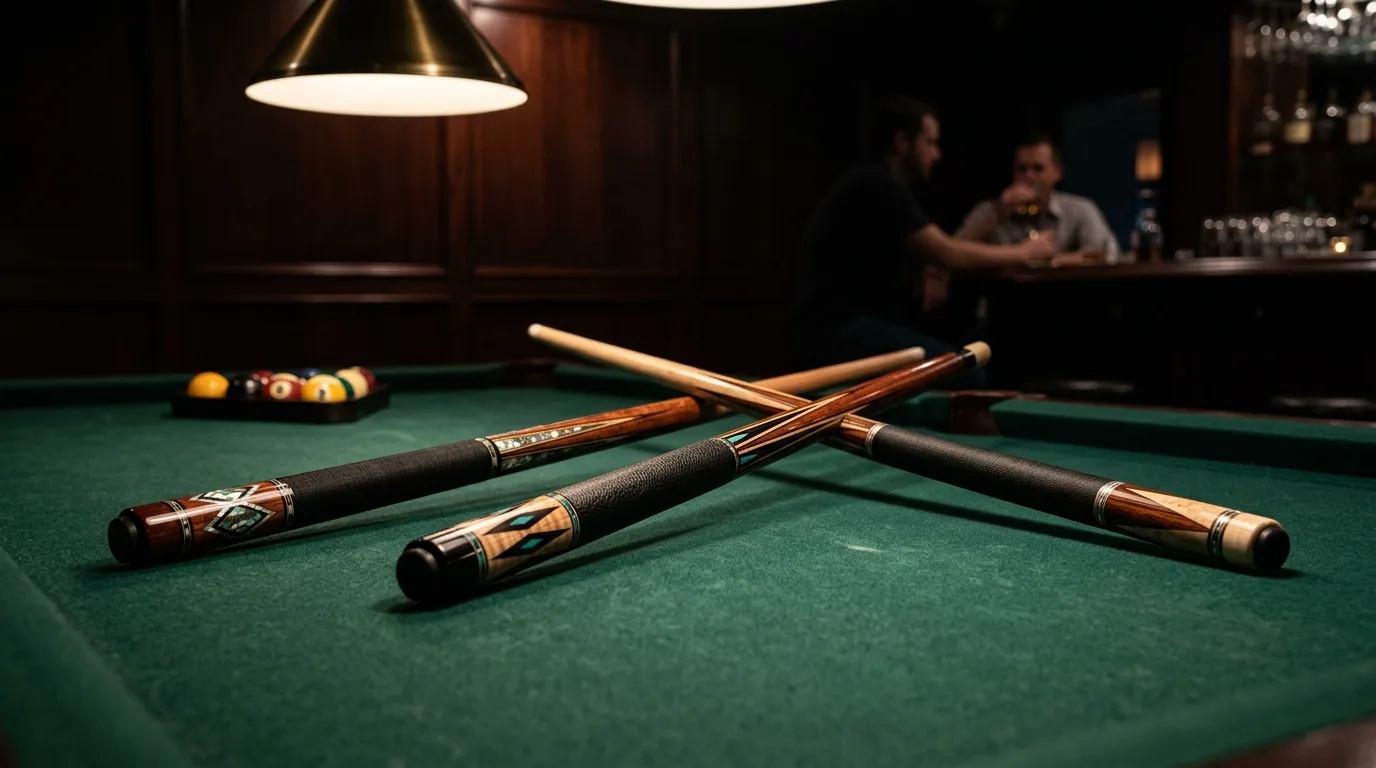
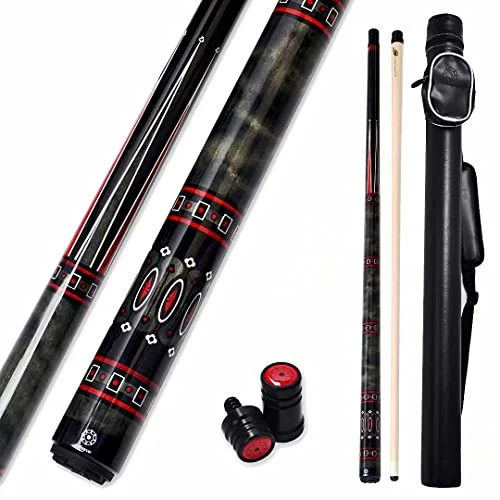
The best pool cue for the money in 2026 is the Collapsar CXL at around $120 — you get a carbon fiber shaft (usually a $250+ feature) at a fraction of the cost, and it won’t warp in your garage or basement.
For the cheapest option that’s still worth buying, the AKLOT maple cue at ~$50 gets the job done. And if you can spend $300+, the PureX Technology cue puts genuine low-deflection shaft technology in your hands.
Here’s a quick comparison of every cue on this list:
| Cue | Price | Best For | Shaft | Wrap | Weight |
|---|---|---|---|---|---|
| AKLOT Maple | ~$50 | Cheapest worth buying | Canadian maple | Irish linen | 18-21 oz |
| CUESOUL Rockin | ~$68 | Budget with style | Maple | Irish linen | 19-21 oz |
| Collapsar CXL | ~$150 | Best value overall | Carbon fiber | Rubber | 19-21 oz |
| Viking Valhalla 100 | ~$150 | Trusted brand pick | Maple | Irish linen | 18-21 oz |
| Players G4121 | ~$175 | Mid-range workhorse | Maple | Irish linen | 18.5-21 oz |
| PureX Technology | ~$316 | Best LD technology | Low-deflection | Irish linen | 18-20 oz |
| McDermott G209 | ~$430 | Lifetime investment | G-Core shaft | Irish linen | 19-19.5 oz |
I’ve organized this by actual price tiers so you can jump straight to your budget.
Under $75: The entry point
At this price, you’re buying a tool. Not a statement piece. The goal is a straight stick that holds chalk and doesn’t embarrass you.
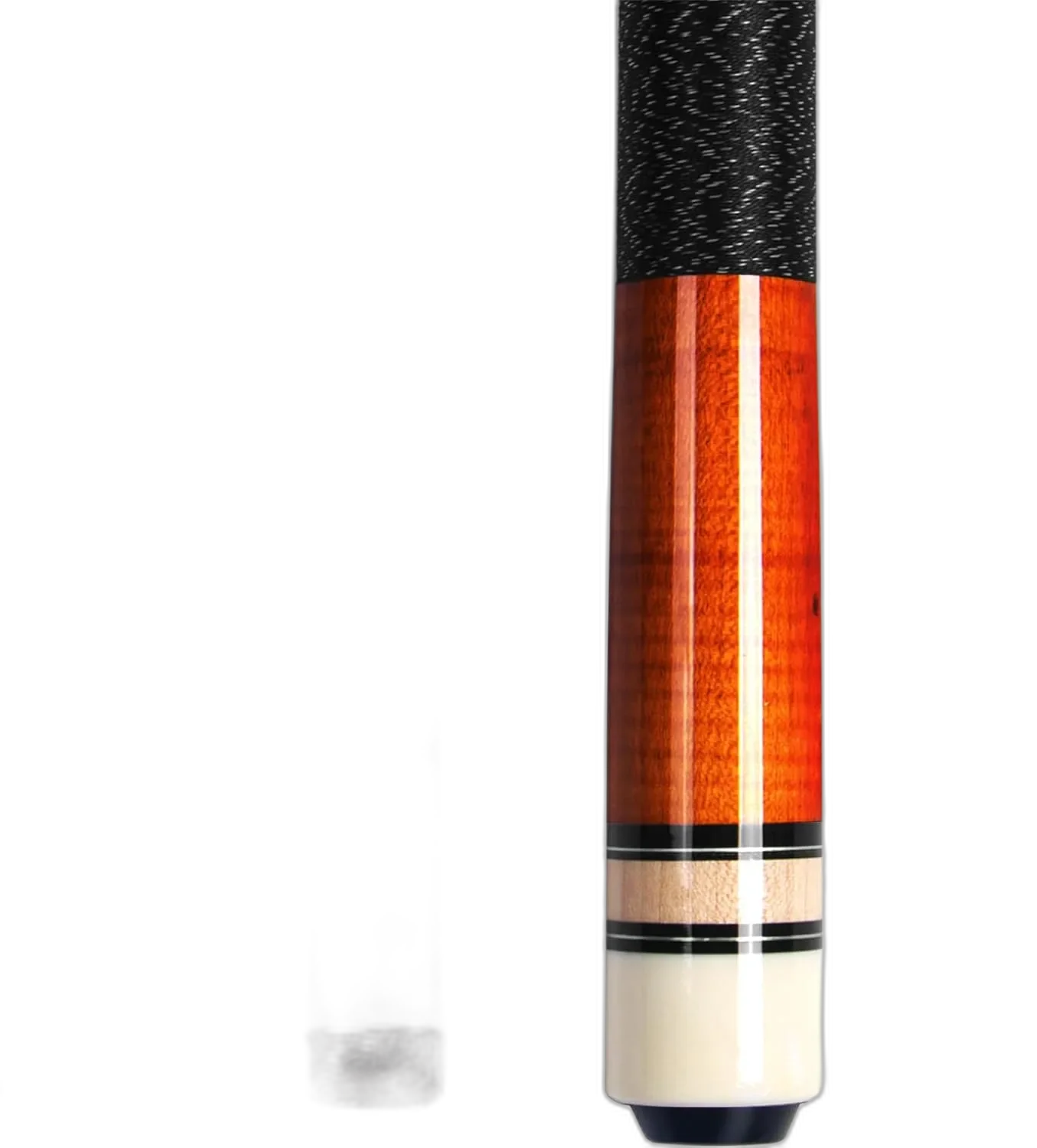
The cheapest cue worth owning, gets the job done at $50.
- Cheapest worth buying
- Canadian maple
- Irish linen wrap at $50
Hand-selected Canadian maple, Irish linen wrap, and a 13mm leather tip. It’s not fancy, but it’s straight and it’s yours. At this price, you’re done borrowing warped house cues at the bar.
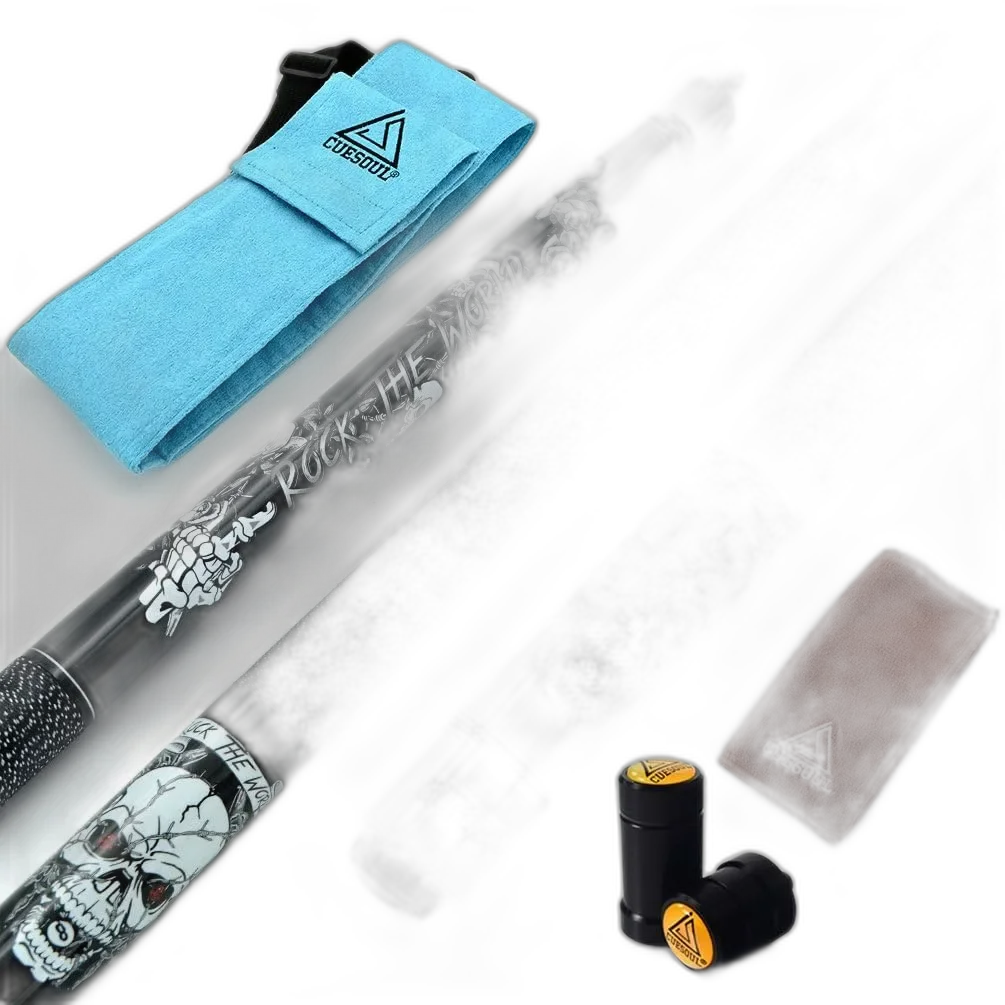
A notch above bare-bones budget cues in both style and build.
- Better aesthetics than cheapest picks
- Decent fit and finish
- Under $70
CUESOUL has been building affordable cues for years. The Rockin Series gives you a proper two-piece maple cue with a clean joint, Irish linen wrap, and decent fit and finish. A step up from the absolute cheapest options without breaking $70.
What you get at this tier: A straight cue. Your own stick to build muscle memory with. No more warped house cues at the bar. That alone is worth the price of entry.
What you don’t get: Low-deflection technology, premium tips, fancy aesthetics, or brand prestige. None of which matter until you’re playing regularly.
Quick pick for under $75: The AKLOT maple cue at ~$50 — Canadian maple and Irish linen wrap at a price that won’t make you think twice.
$100-175: Where most players should start
This is the sweet spot for most players. You go from “functional tool” to “real pool cue” with better materials, tighter construction, and brand backing.
Best "cheap carbon" story, prioritize environment over brand prestige.
- Carbon at entry price
- Humidity-proof shaft
- Consistent hit
Carbon fiber shaft at $150 when most start at $250+. No warping, humidity-proof — ideal for garages and basements where maple cues go to die. The shaft will feel different from traditional wood (stiffer, more consistent), which some players love and others need to adjust to.
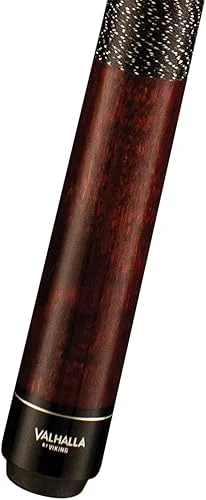
Best pure value under $50 for players who want a name-brand maple cue.
- Huge value
- Trusted Viking line
- Multiple weights
The most popular cue our readers buy — 49 units in 2025. Viking is a trusted name in pool, and the Valhalla 100 delivers solid maple construction with an Irish linen wrap. Available in multiple weights and colors. A go-to recommendation for players who want a name they can trust.
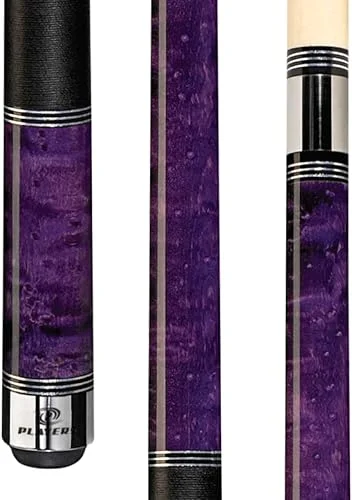
The "safe pick" when you want classic feel and broad support.
- Forgiving
- Huge model range
- Easy tip swaps
Players makes the Toyota of pool cues — solid maple, standard joint, straight and balanced. The Traditional Series gives you North American hard rock maple with a 13mm tip and Irish linen wrap. Everything needed for twice-weekly play, with a lifetime warranty on many models.
What you gain over under-$75: Better wood quality, brand service networks, tighter joints, and wraps that feel good after an hour of play. The cue ball starts going where you aim it instead of somewhere in the neighborhood.
Quick pick for $100-175: The Collapsar CXL at ~$150 — carbon fiber shaft technology at a fraction of the usual cost.
$300-450: Serious investment
At this level, you’re paying for engineering. Low-deflection shaft technology, premium materials, and construction you can feel in every shot.
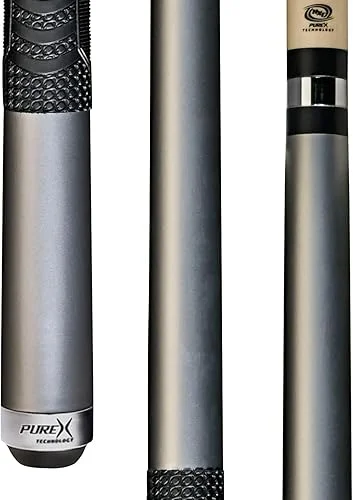
The smart mid-budget LD choice when you outgrow a house cue.
- Real LD under $100
- CCSI build quality
- Great for spin
Made by CCSI (the company behind Lucasi), the PureX Technology cue gives you a genuine low-deflection shaft with a 12.75mm Kamui Black tip — the same tip brand the pros use. The smaller tip diameter means more precision on english shots, and the MZ Multi-Zone grip adjusts to your hand. Our second most popular cue by units (43 sold in 2025).
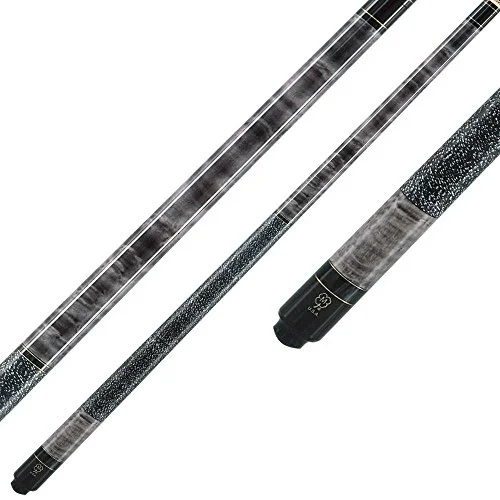
The cue you see in local league play and amateur tournaments. Looks great, plays great, holds its value.
- G-Core shaft
- Lifetime warranty
- Great resale value
The G-Series is what you see in local league play and amateur tournaments. Better inlays, better wood selection, tighter tolerances. McDermott’s lifetime warranty means this is genuinely a buy-it-once decision. These hold their resale value better than almost any other cue line. If you’re cross-shopping McDermott against the obvious alternative at this price tier, the McDermott vs Predator buyer’s verdict covers home, league, and tournament use cases. The McDermott GS02 at Billiard & Pool Center is a representative G-Series pick — free shipping over $99 and the 10-year warranty handled through a specialty dealer.
What you gain over $100-175: Engineered shaft technology (low-deflection or G-Core), premium tips, better balance, and noticeably more consistent hit. But the actual performance improvement is smaller than the jump from $50 to $150. If you’re spending at this level, you should be playing regularly enough to notice the difference.
Quick pick for $300-450: The PureX Technology at ~$316 — genuine LD shaft tech with a Kamui Black tip from the Lucasi family.
Tight room? If you’re shopping cues for a 12x12 or smaller pool room, a 52-inch two-piece cue is the workaround that lets a 7ft table fit. See will a 7ft pool table fit in a 12x12 room for the clearance math, then come back here for the picks.
$500+: Custom and professional
This is where cues become art. Brands like Lucasi Hybrid ($600-850+), Predator, Schon, and Meucci produce sticks with exotic woods, hand-laid inlays, and craftsmanship that takes months per cue. They play beautifully. They also cost as much as a used car payment. If you’re shopping this tier, the Lucasi Custom LZ2004NB at Billiard & Pool Center is the kind of premium build you won’t find on Amazon — and they carry the rest of the Lucasi Custom, Schon, Pechauer, and Meucci lineups too.
Is a $1,000 cue better than a $400 cue? Technically, yes. The materials are better, the construction is more precise, the feel is more refined. Is it two and a half times better? No. The performance difference is marginal. You’re paying for exclusivity and craftsmanship — plus the satisfaction of owning something exceptional.
If you have the money and pool is your passion, go for it. If you’re trying to decide between a $600 cue and a $150 cue with $450 of table time at your local hall, take the table time. Practice beats equipment every time.
The bottom line
The best money you’ll spend on a pool cue is the jump from a house cue to anything on this list. After that, the law of diminishing returns kicks in hard.
My final picks by budget:
| Budget | Our Pick | Why | |
|---|---|---|---|
| Under $75 | AKLOT Maple | Canadian maple + Irish linen at $50. | Check Price → |
| $100-175 | Collapsar CXL | Carbon fiber shaft at $150. Best value overall. | Check Price → |
| $100-175 | Viking Valhalla 100 | Our readers’ #1 seller. Trusted name at $150. | Check Price → |
| $300-450 | PureX Technology | LD shaft + Kamui tip at $316. | Check Price → |
The biggest mistake I see is people spending too much too early. A $50 AKLOT in a beginner’s hands will produce better results than a $600 custom in those same hands after six months of practice. The cue doesn’t make the player. The player makes the cue.
Go shoot.
Related Articles
For more on this topic, check out pool cue reviews, best cues for beginners, best pool cues under $100, best pool cue brands, and what a good cue costs.
The #1 recommendation from this guide, chosen for quality, value, and real-world performance.