


You’re shooting the 8-ball. The angle is tight, you need maximum control, and your current tip is mushroomed out like it’s been through a war. You’re probably thinking: Does my tip actually matter, or am I just making excuses?
It matters. A lot.
I’ve been around pool tables for two decades, and I’ve watched players blame everything except the obvious culprit. A worn or wrong tip. A bad tip will cost you matches, money, along with the respect of decent players. The good news? Picking the right one is simpler than most people think.
Why Your Tip Matters More Than Your Cue
Everyone wants to talk about cue wood, ferrule quality, and that perfect break stick. Those things matter. But your tip is the only part of your cue that actually touches the ball, and it’s where all your skill gets transferred.
Think about it this way: you could have a $3,000 custom cue with a $50 tip that’s been mushroomed for six months. That cue is worthless until you fix the tip. A $200 house cue with a fresh, properly maintained tip will outperform it every single time.
Your tip controls:
- How much spin you can apply
- Your ability to draw the cue ball backward
- How consistently you hit the sweet spot
- Your control during delicate shots
A worn tip? You might as well be playing blindfolded.
Hard Tips vs Soft Tips vs Medium . What You Actually Need
This is where the confusion starts, and honestly, the internet doesn’t help. People throw around terms like they’re talking about concrete hardness ratings.
Soft tips (leather density around 40-50 Shore A) grip the cue ball like they mean it. You get more suction, better control on draw shots, and finer touch. But they wear fast. You’re looking at replacing them every 4-6 months if you play league or tournament. They also sculpt and mushroom easier, so you need to maintain them.
I use soft tips. Once you get used to the feel, you won’t want to go back. That said, they demand respect. If you’re careless, they’ll fall apart on you.
Hard tips (60+ Shore A) are work horses. They take a beating and keep playing. Jump shots are easier with hard tips because the durometer gives you that instant snap. Power players love them. The tradeoff? Less feedback, less finesse on soft touches. If your bank shot requires a whisper, a hard tip makes it harder to deliver.
Medium tips exist in the middle and they’re boring. They don’t excel at anything, so if you’re serious, skip them. Save your cash for either direction.
Which should you use? Play hard? Use a medium-hard tip and replace it twice a year. Play soft and methodical? Go soft and commit to maintenance. Playing 9-ball at a high level? Soft tips, no question.
Size Matters: 12mm vs 12.75mm vs 13mm
Professional pool uses a standard, 13mm tips are the norm. But that doesn’t mean they’re right for you.
A 13mm tip gives you more surface area. Mistakes hurt less. The sweet spot is bigger. You’ll pocket more balls, especially if you’re not dead accurate. Most house players and beginners should use 13mm tips without thinking about it.
A 12.75mm tip is the compromise. It’s standard in a lot of cues straight from the factory. It’s fine.
A 12mm tip demands precision. You need to be accurate, because you’re working with a smaller margin of error. Pros use 12mm sometimes, but they’re also the kind of players who can draw a line on the cloth with the cue ball. If you’re thinking about switching to 12mm because you saw a pro use it, you’re probably not ready.
My advice: 13mm if you’re learning or casual. 12.75mm if your cue came with it and it’s working. 12mm if you’ve been playing seriously for years and you actually want the challenge.
Best Pool Cue Tips by Category
Here’s what to buy based on what you’re actually doing with a cue.
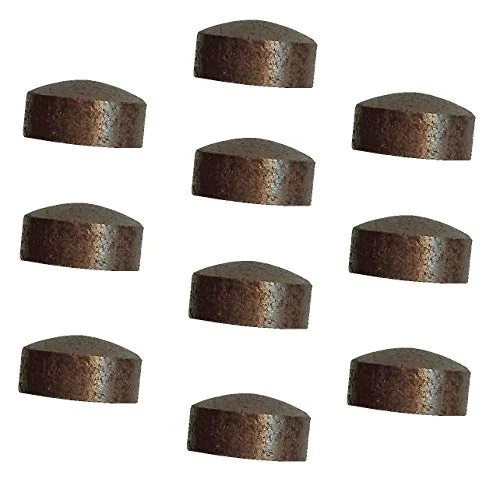
Le Pro Pool Cue Tips (~$8-15)
If you’re buying tips because your current one is destroyed and you just need something functional, get Le Pro Pool Cue Tips. They’re basic leather that work fine for $8-15 and perform decently for six months. You’re being smart with your money.
Check Price on Amazon →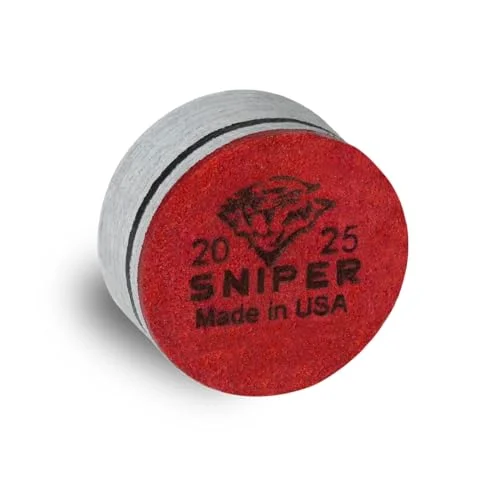
Tiger Sniper Tips (~$15-22)
Tiger Sniper tips at $15-22 are where serious recreational players should land—medium-hard leather with better feedback and shape retention than budget tips. Demand decent technique but reward good form with better control.
Check Price on Amazon →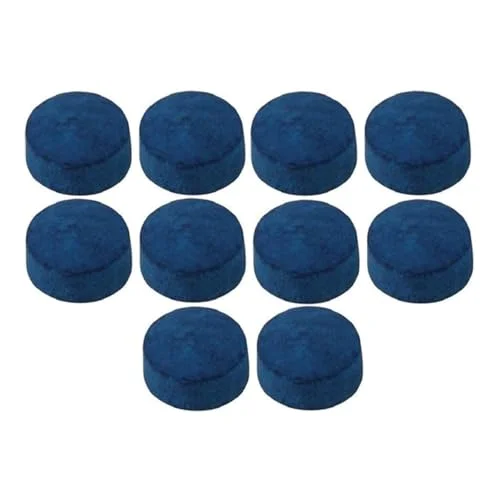
Elk Master (~$5-10)
Elk Master tips at $5-10 are made from elk leather and offer real performance at a discount. They’re reliable, last well, and suit players transitioning from casual to serious play.
Check Price on Amazon →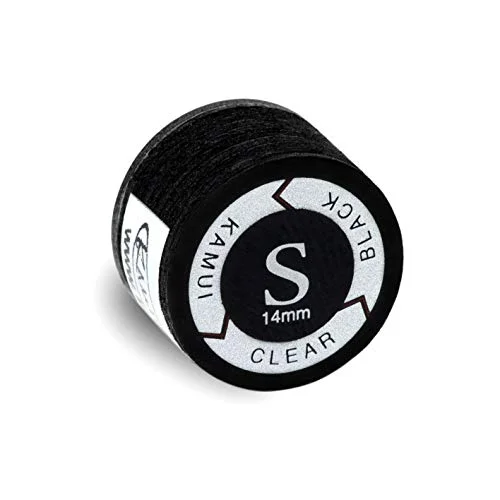
Kamui Black (~$20-30)
Kamui Black tips at $20-30 are Japanese precision leather that last 18 months with proper maintenance. They grip the cue ball like magnets, sharpening your draw and touch shots, but require regular scuffing and maintenance.
Check Price on Amazon →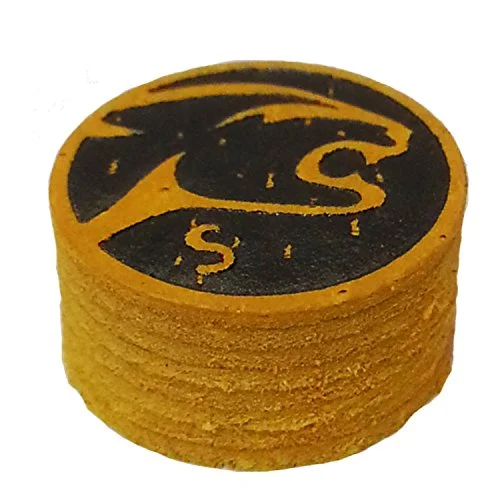
Predator Victory (~$18-25)
Predator Victory tips at $18-25 are hard-layered and engineered for tournament consistency. They hold shape through hundreds of matches—standard issue for a reason.
Check Price on Amazon →How to Install and Maintain Your Tips
Installing a tip yourself requires a lathe. If you don’t have one and aren’t comfortable with power tools, don’t DIY this. A cue repair shop will replace your tip for $15-25, and they’ll do it right.
If you’re going to install tips yourself, here’s the process:
Removal: Use a lathe to carefully sand off the old tip. Go slow. You’re aiming to remove glue and tip without damaging the ferrule. One mistake and you’ve got a damaged ferrule that costs $40-100 to replace.
Shaping: Your new tip needs to be shaped to match your ferrule diameter. Most tips come oversized. Use the lathe to sand it to match (usually 13mm, 12.75mm, or 12mm). This takes finesse.
Gluing: Use cue tip epoxy (not regular wood glue). Apply a thin layer to both the ferrule and the tip, then press firmly. Let it set for 24 hours. Don’t play with it yet.
Scuffing: Once the glue is dry, scuff the tip with sandpaper to restore grip. This is important. A smooth tip will slip on the cue ball.
The easier option? Take it to a shop. Seriously. You’ll save yourself headaches.
Maintenance Between Replacements
A scuffer is the best $5 you’ll spend on pool. Every few sessions, scuff your tip with this tool. It restores the leather surface and helps with grip.
Shape matters. When your tip starts to mushroom (flatten out on the sides), you’ve got a problem. Use a shaper—basically a device that cuts your tip back to a dome. If you let it go too far, you’ll be replacing the whole tip.
Keep your tip dry. Humid conditions make leather tips swell. If your tip gets wet, let it dry completely before playing.
Check the glue. If your tip is wobbling, the glue is failing. Don’t wait—get it replaced. A falling tip mid-match is worse than any missed shot.
Quick Comparison
| Tip | Price | Hardness | Best For | Lifespan |
|---|---|---|---|---|
| Le Pro | $8-15 | Medium | Beginners, casual play | 6-12 months |
| Tiger Sniper | $15-22 | Medium-hard | All-around players | 8-12 months |
| Kamui Black | $20-30 | Soft | Spin and draw shots | 4-6 months |
| Predator Victory | $18-25 | Medium | Power and consistency | 6-10 months |
| Elk Master | $5-10 | Soft | Budget soft option | 3-6 months |
FAQ
Q: Can I use a hard tip if I play mostly soft, finesse shots?
A: You can, but you won’t enjoy it. Hard tips don’t give you the feedback and control you need for touch shots. It’s like trying to play tennis with a baseball bat. You’ll make it work, but your game will suffer.
Q: Should I buy multiple tips and rotate them?
A: Only if you’re at a professional level and you have the maintenance routine to support it. For everyone else, one good tip that you maintain is better than three mediocre ones.
Q: Do I need to replace the whole tip if the glue fails?
A: Yes. You can’t reglue a tip without removing it completely. If the glue is failing, it’s replacement time.
Q: What if I can’t afford Kamui or Predator?
A: Buy Tiger Sniper or Elk Master. They’re solid tips at reasonable prices. Once you’re winning matches and have money in your pocket from it, upgrade. Don’t go broke on equipment you’re not using at a pro level.
Q: Is there such a thing as a “best” tip?
A: No. Your best tip is the one that matches your playing style and how much you maintain your equipment. Some players thrive with soft Kamui tips. Others play better with medium-hard Tiger Sniper. Try different tips and see what feels right.
Related Articles
Learn more about choosing the right equipment:
The #1 recommendation from this guide — chosen for quality, value, and real-world performance.