

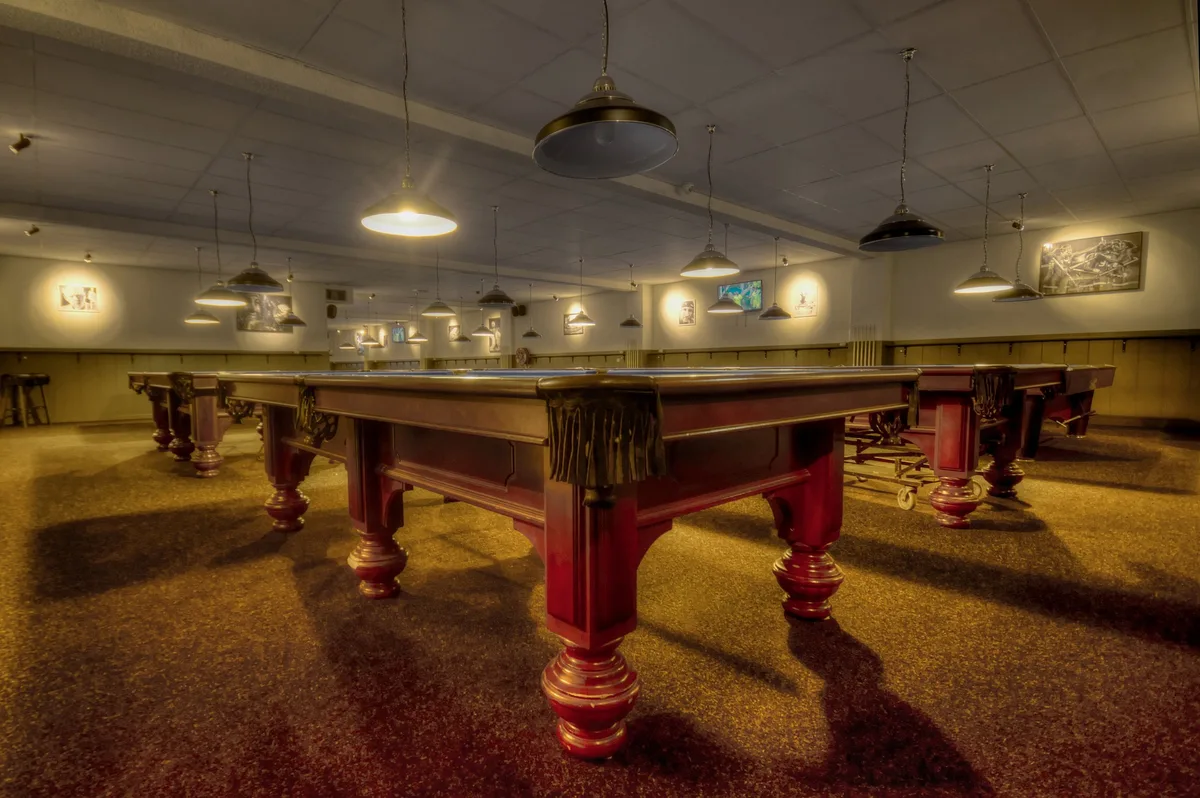
Best Pool Cue Cases in 2026: Protect Your Investment
Last updated: March 2026
Introduction: Why Your Cue Deserves Better Than a $15 Case
You just dropped $200, $300, or maybe even $500+ on a quality pool cue. You researched the brands, felt the weight in your hand, and carefully selected a stick that matches your playing style. Then you slip it into a thin, flimsy vinyl case from the discount bin.
This is like buying a luxury car and parking it on the street without insurance.
A premium pool cue is a precision instrument. The wood needs protection from humidity fluctuations, temperature changes, impacts, along with warping. The shaft can develop a warp in days if exposed to the wrong conditions. Your expensive ferrule and tip can crack from a simple bump. And don’t even get started on what happens when your cue rolls off a car seat.
The difference between a $50 case and a $15 case? That $35 investment could save you $200+ in repairs or replacement costs. A quality pool cue case is armor for your investment. Aand it’s non-negotiable if you’re serious about the game.
This guide breaks down everything you need to know to find the best pool cue case for your needs, playing style, and budget.
Types of Pool Cue Cases: Which Style is Right for You?
Soft Cases
Soft cases are lightweight, compact, along with perfect for casual players who transport their cues occasionally. They typically feature a canvas, vinyl, or nylon exterior with foam padding inside.
Pros:
- Lightweight and easy to carry
- Affordable ($30-$80)
- Compact storage
- Great for short-distance transport
- Usually include shoulder straps
Cons:
- Limited impact protection
- Less weather resistance
- Can develop creases over time
- Not ideal for frequent air travel
- Limited interior organization
Best for: Casual players, local league nights, players who own 1-2 cues, those with budget constraints.
Hard Cases
Hard cases feature rigid exteriors (usually ABS plastic or fiberglass) that provide maximum protection. They’re the gold standard for serious players and frequent travelers.
Pros:
- Superior impact protection
- Waterproof or weather-resistant exteriors
- Excellent for air travel
- Durable and long-lasting
- Professional appearance
- Often include cushioned interiors and custom foam
Cons:
- Heavier than soft cases
- More expensive ($100-$400+)
- Take up more storage space
- Can be harder to fit in vehicles
- Overkill for occasional casual players
Best for: Serious competitive players, frequent travelers, players with expensive cues, tournament participants, players with 3+ cues.
Tube Cases
Tube cases feature a cylindrical design with a protective tube structure, offering a middle ground between soft and hard cases. These are increasingly popular for their sleek design and portability.
Pros:
- Lighter than hard cases
- Good protection without full-case bulk
- Modern, sleek design
- Easier to fit in bags and vehicles
- Reasonable price point ($60-$150)
- Great for travel
Cons:
- Limited interior organization
- Not ideal for multiple cues
- Smaller pockets for accessories
- Can be awkward to carry long distances
- Less room for custom foam
Best for: Players who travel occasionally, those who want portability with decent protection, league players, players with 1-2 cues.
Backpack-Style Cases
Backpack cases combine protective padding with ergonomic carrying. They often feature multiple compartments and are designed for hands-free transport.
Pros:
- Ergonomic and comfortable for long carries
- Frees up your hands
- Often include multiple storage compartments
- Great for hybrid travel (car + walking)
- Good padding and protection
- Professional appearance
Cons:
- Larger footprint
- Can be uncomfortable on flights
- More expensive ($100-$200+)
- Overkill for single-cue players
- Takes up more space
Best for: Players who walk or use public transit, those with multiple cues, tournament travelers, players with lots of accessories.
Pool Cue Case Capacity: Decoding the Numbers
When shopping for pool cue cases, you’ll see designations like 1x1, 2x2, 2x4, along with 3x5. These numbers refer to how many cues the case can hold and the configuration.
What Do These Numbers Mean?
The format is Width x Length or represents rows x columns depending on the manufacturer. Here’s a breakdown:
1x1: Holds 1 cue
- Single cue cases
- Most compact and lightweight
- Best for: Casual players with one cue
- Price range: $25-$100
2x2: Holds 2 cues (two-piece cues) or 1 one-piece cue
- Compact design, minimal extra space
- Fits easily in vehicles
- Best for: Players with 1-2 cues
- Price range: $40-$150
2x4: Holds 2-4 cues depending on design
- Standard configuration for league players
- Multiple cue storage without excessive bulk
- Includes organized storage
- Best for: Serious players with 2-4 cues
- Price range: $80-$250
3x5: Holds 3-5 cues
- Larger cases for serious collectors
- Tournament cases
- Professional-grade protection
- Best for: Competitive players with multiple cues, teams
- Price range: $150-$400+
Important note: These designations aren’t standardized across manufacturers. Always check the actual cue capacity on the product specification rather than relying solely on the number designation.
Materials: What Protects Your Cue Best?
The case’s exterior material is important for protection. Here’s what you need to know:
Vinyl
Characteristics: Lightweight plastic coating, flexible, affordable.
Protection level: Basic to moderate. Vinyl protects against minor impacts and dust but can crack or puncture under moderate impact. Not waterproof, though water-resistant.
Durability: 3-5 years with moderate use. Can develop cracks and discoloration over time.
Best for: Casual players, short-distance transport, budget-conscious buyers.
Price point: $25-$80.
Nylon
Characteristics: Durable synthetic fabric, often ballistic-grade, flexible and water-resistant.
Protection level: Moderate to good. Nylon resists tears and impacts better than vinyl. Often treated with waterproof coatings.
Durability: 5-7 years with regular use. Holds up well to wear and weather.
Best for: Regular league players, occasional travelers, those wanting durability without extreme cost.
Price point: $50-$150.
Leather
Characteristics: Premium natural material, classic appearance, ages beautifully.
Protection level: Moderate impact protection but requires maintenance. Genuinely water-resistant when properly treated.
Durability: 10+ years with proper care. Improves in appearance over time.
Best for: Players who value aesthetics, those willing to maintain their cases, collectors.
Price point: $100-$300+.
Note: Real leather cases are rare in the market; many “leather” cases are leather-look vinyl or polyurethane blends.
ABS Hard Shell
Characteristics: Rigid plastic polymer, impact-resistant, professional-grade.
Protection level: Excellent. ABS absorbs and distributes impact energy. Waterproof and weather-resistant.
Durability: 10+ years. Maintains integrity through extensive use and travel.
Best for: Frequent flyers, serious competitors, collectors, those prioritizing protection above all else.
Price point: $150-$500+.
Combination Materials
Many modern cases use hybrid materials. Ffor example, hard ABS shell with nylon or ballistic nylon with protective corner reinforcements. These offer balanced protection, weight, along with cost.
Top Pool Cue Cases Across Budget Tiers
Budget Tier ($25-$75)
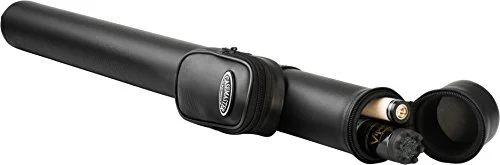
Casemaster Vinyl Case 1x1 (~$35-45)
Lightweight starter case with basic padding and shoulder strap. Perfect for casual players dipping into the game. At $35-45, it’s the entry point before committing to upgrades.
Check Price on Amazon →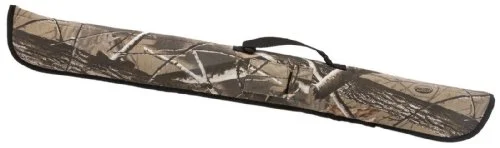
Viper Soft Case 2x2 (~$50-65)
Durable vinyl with solid padding and organized pockets for 1-2 cues. No-nonsense value at $50-65—good for league nights without overpaying for features you won’t use.
Check Price on Amazon →Mid-Range Tier ($75-$200)
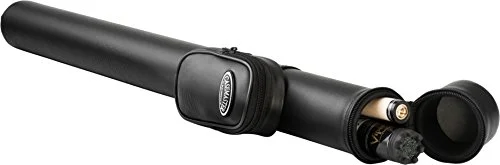
Casemaster Crown Royal Leather Case 2x2 (~$80-120)
The iconic Crown Royal leather aesthetic meets decent protection at $80-120. Great if you want style and classic appeal along with moderate durability for your cues.
Check Price on Amazon →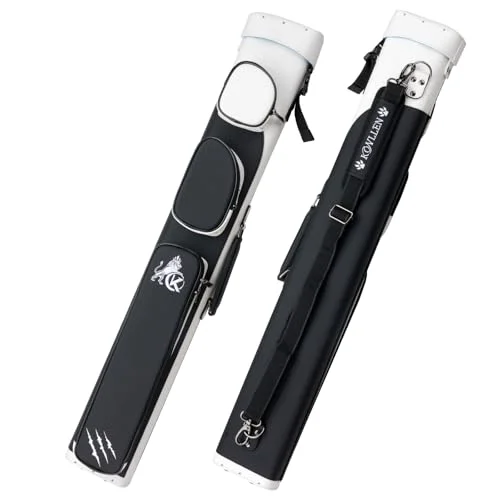
Predator Deluxe Soft Case 2x4 (~$120-160)
Trusted billiards brand with quality padding, durable nylon, and multiple compartments for 2-4 cues. At $120-160, it’s the solid choice for league players who want organization and protection.
Check Price on Amazon →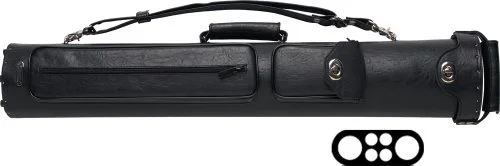
InStroke Deluxe Nylon Case 2x4 (~$100-150)
Heavy-duty ballistic nylon with excellent padding and quality zippers that hold up for years. At $100-150, it delivers professional durability and organization for serious players.
Check Price on Amazon →Premium Tier ($200-$400+)
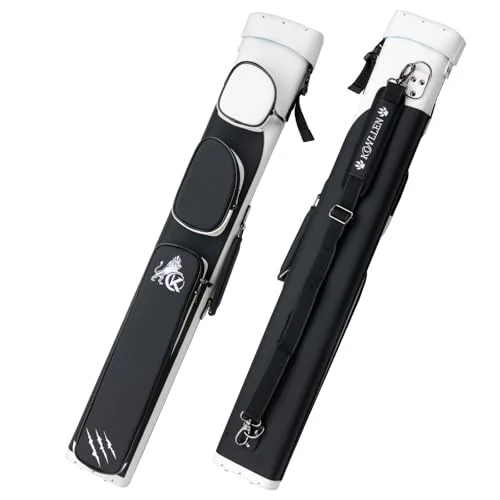
Predator Icon Hard Case 2x4 (~$250-350)
Premium ABS hard shell with airline-approved design and TSA-friendly locks. Tournament-grade protection at $250-350—essential for serious competitors and frequent flyers with expensive cues.
Check Price on Amazon →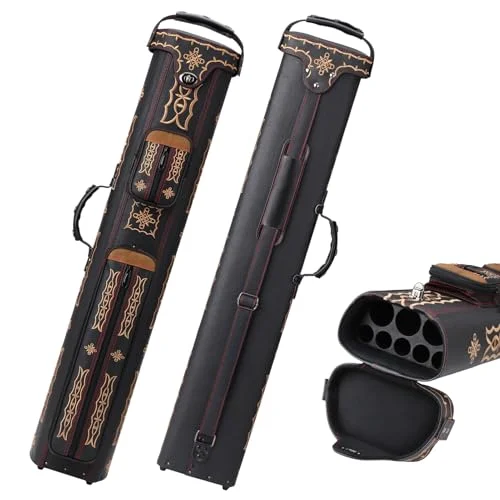
Casemaster Elite Hard Case 3x5 (~$200-350)
Rigid construction with waterproof design and wheels for serious collectors managing multiple cues. At $200-350, it’s the professional tournament case for players with significant cue investments.
Check Price on Amazon →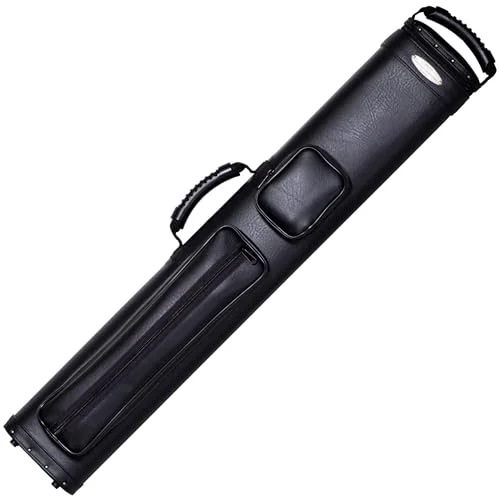
McDermott Premium Hard Case 2x4 (~$180-280)
McDermott’s branded protection with hard shell and excellent shock absorption, optimized for their premium cues. At $180-280, it’s ideal for McDermott owners and serious tournament players.
Check Price on Amazon →Recommended Brands for Pool Cue Cases
Predator: The gold standard for pool equipment. Predator cases range from solid mid-range options to premium hard cases. Known for quality construction and attention to detail. Their hard cases are widely considered the best all-around option.
Casemaster: Long-standing manufacturer of cue cases. Offers options across all price points and styles. Known for the iconic Crown Royal leather cases and solid engineering. Good value at every tier.
InStroke: Specializes in protective cases with premium materials. Known for ballistic nylon construction and excellent zippers. Popular among serious league and tournament players.
Lucasi: A respected cue manufacturer that also makes quality cases. Known for attention to detail and protective padding. Cases are a bit pricier but offer good value.
McDermott: While primarily a cue manufacturer, McDermott cases are designed specifically to protect their cues (though compatible with other brands). Quality construction and excellent protection.
Viper (by GLD Products): Offers budget-friendly options with solid construction. Good entry point for casual players.
Billiard Accessories and More: Smaller brand but consistently praised for customer service and case quality across price points.
What to Look For: Critical Case Features
Padding
Interior: Look for at least 1 inch (preferably 1.5 inches) of foam padding throughout the case. This cushions against impacts and vibrations during transport.
Critical areas: Extra padding around cue butts and ferrules is essential, as these are most vulnerable to damage.
Type: Closed-cell foam is better than open-cell foam because it resists moisture and provides more consistent protection.
Pocket Storage
Organization: Good cases include dedicated pockets for chalk, mechanical bridges, and other accessories. This prevents cues from shifting during transport.
Quality: Reinforced pockets should include zipper pockets (not just open slots) to secure small items.
Size: Check pocket dimensions against your actual accessories. A case with pockets too small to use is just wasted space.
Strap Quality
Material: Look for reinforced nylon or canvas straps (not thin vinyl).
Attachment: Straps should be stitched in multiple places or bolted to the case, not just glued.
Padding: Padded shoulder straps significantly reduce fatigue during transport.
Carrying options: The best cases offer multiple carrying options (shoulder strap, handle, backpack straps, or wheels).
Zipper Quality
Type: YKK zippers are the gold standard. They’re smooth, durable, along with reliable.
Design: Look for two-way zippers when possible, as they provide more flexibility in opening the case.
Durability: Test the zipper action if possible. It should be smooth without catching. Poor zippers are a common failure point on cheaper cases.
Reinforcement: Zippers should be reinforced around the edges to prevent tearing out of the case material.
Additional Quality Markers
Stitching: Look for straight, dense stitching. Loose or wavy stitching indicates poor quality control.
Seams: Corner reinforcements and reinforced seams indicate better construction.
Hardware: Metal clasps and handles are more durable than plastic equivalents.
Interior: The lining should be smooth and protective, not rough canvas that could snag your cue’s finish.
Travel Considerations: Flying With Your Pool Cue
If you travel to tournaments or play in different cities, you’ll want to know the TSA and airline requirements for cue cases.
TSA Guidelines
Pool cues themselves are permitted in carry-on and checked baggage, but they’re subject to officer discretion. A quality hard case significantly increases the chances of smooth TSA screening.
Best practices:
- Use a hard case with a TSA-approved lock option
- Pack your case with foam inserts to prevent shifting
- Arrive early for inspection if asked
- Have paperwork showing your cue’s value (purchase receipt)
Airline Policies
Policies vary by carrier, but most treat cue cases as sporting equipment:
- Checked baggage: Most airlines allow one cue case (typically 2-4 cues) as checked luggage. Some charge additional sports equipment fees ($25-$75).
- Carry-on: Hard cases typically don’t fit in overhead bins. Check your airline’s carry-on dimensions before travel.
- Multiple cases: Airlines may limit you to one sports equipment case. Verify before your trip.
Recommendations:
- Contact your airline 24-48 hours before travel
- Confirm your specific case dimensions fit their requirements
- Consider travel insurance for high-value cues
- Use a hard case for all air travel—soft cases increase damage risk during handling
Packing for Flight
- Use protective foam or bubble wrap around individual cues
- Fill empty spaces to prevent shifting
- Don’t pack loose items that could damage cue finishes
- Label your case clearly with your contact information
Quick Comparison
| Case | Price | Type | Capacity | Best For |
|---|---|---|---|---|
| Casemaster Vinyl 1x1 | ~$35-45 | Soft | 1 butt, 1 shaft | Starter case |
| Viper Soft 2x2 | ~$50-65 | Soft | 2 butts, 2 shafts | Value pick |
| Casemaster Crown Royal 2x2 | ~$80-120 | Soft leather | 2 butts, 2 shafts | Style upgrade |
| InStroke Deluxe 2x4 | ~$100-150 | Soft nylon | 2 butts, 4 shafts | Durable choice |
| Predator Deluxe 2x4 | ~$120-160 | Soft | 2 butts, 4 shafts | Regular player |
| Predator Icon 2x4 | ~$250-350 | Hard ABS | 2 butts, 4 shafts | Tournament grade |
FAQ
What’s the difference between soft cases and hard cases?
Soft cases are lightweight and affordable but offer limited impact protection. Hard cases provide maximum protection and durability but are heavier and more expensive.
What do the numbers like 2x4 and 3x5 mean for cue cases?
These designations indicate capacity. A 2x4 holds 2-4 cues, and a 3x5 holds 3-5 cues. Check manufacturer specs as these aren’t standardized across brands.
Are hard cases worth the extra cost?
For serious players and frequent travelers, yes. For casual players with one cue, a quality soft case is usually sufficient and more practical.
Can I fly with a pool cue in a case?
Yes, pool cues are allowed in checked baggage and often treated as sporting equipment. Use a hard case with TSA-approved lock options and contact your airline beforehand.
How long do pool cue cases last?
Soft cases last 3-5 years with moderate use. Hard cases last 10+ years, and leather cases can last 10+ years with proper care.
Frequently Asked Questions
Q: Can I use the same case for different cue types? A: Generally yes, as long as the case has adequate space. However, specialized cases for one-piece cues, break cues, or jump cues may offer better protection due to custom padding.
Q: How often should I replace my cue case? A: With proper care, a quality case lasts 7-10 years. Soft cases may need replacement every 3-5 years. Replace sooner if you notice foam degradation, zipper failure, or exterior damage that exposes the interior.
Q: Can I repair a damaged case? A: Minor issues (torn pockets, stuck zippers) can often be repaired. Hard cases with cracked exteriors can sometimes be repaired with epoxy or replacement panels. Foam padding can be replaced. For major damage, replacement is usually more cost-effective.
Q: What’s the difference between a 2x4 case and two 1x2 cases? A: A 2x4 case is designed as one unit with organized storage for multiple cues. Two separate 1x2 cases would be heavier, more cumbersome, and lack the integrated storage organization.
Q: Should I remove my cue from the case regularly? A: Yes. Remove your cue weekly if stored long-term. This prevents moisture buildup inside the padding, which can damage your cue.
Q: Do I need to condition leather cases? A: Real leather cases benefit from occasional conditioning (every 6-12 months) with leather conditioner. This maintains suppleness and water resistance. Check the manufacturer’s recommendations.
Q: Are expensive cases necessary for beginners? A: No. A $40-$60 soft case is perfectly adequate for beginners while you decide how seriously you’ll pursue the sport. Upgrade to a premium case as your interest and cue investment grows.
Q: Can I fly internationally with my cue case? A: Yes, but requirements vary by country. Check the destination country’s import regulations (some countries restrict sporting equipment). TSA PreCheck or Global Entry can expedite screening in many countries.
Q: What’s the best case for a one-piece cue? A: Tube cases or 1x1 hard cases are ideal. They’re more compact and lighter than 2x2 cases, which would waste interior space.
Conclusion: Choose Based on Your Playing Style
The best pool cue case for you depends on three factors: how much you play, how much your cues cost, and how often you travel.
For casual players with a single cue: Invest $40-$60 in a quality soft case like the Viper or Casemaster vinyl case. You’ll protect your investment without overspending.
For league players with 2-4 cues: Spend $100-$160 on a mid-range nylon case from Predator, InStroke, or Casemaster. This provides excellent protection and organization for regular play and occasional travel.
For serious competitors and frequent travelers: Invest $250-$350 in a premium hard case like the Predator Icon or Casemaster Elite. The protection, durability, along with travel suitability justify the cost. Consider this insurance for your expensive cues.
For collectors and tournament professionals: Premium hard cases with custom foam inserts ($300-$500+) are non-negotiable. Your cue collection represents a significant investment.
Remember: the right case doesn’t just protect your cue—it protects your game. A cue that’s warped or damaged won’t play the same, regardless of how much you paid for it. A quality case is an investment in consistent performance and longevity.
Your pool cue is too important for a $15 case. Make the smart choice today, and enjoy years of protected play ahead.
Resources
- How to Maintain Your Pool Cue
- Pool Cue Buying Guide 2026
- Best Pool Tables for Home Use
- Pool Cue Brands Compared
Related Articles
For more on this topic, check out felt guide, best chalk, how to play pool, pool table reviews, and pool cue reviews.
The #1 recommendation from this guide — chosen for quality, value, and real-world performance.