

How to Set Up a Pool Table: Step-by-Step Guide for Home Installation
Introduction: Is Setting Up a Pool Table Yourself Worth It?
So you’re thinking about installing a pool table at home. Maybe you’ve got a sweet spot in your basement or garage, and you’re picturing endless nights of games with friends and family. Here’s the real question: should you tackle the setup yourself, or call in the pros?
The answer is: it depends. Setting up a pool table is absolutely doable as a DIY project if you’ve got some basic mechanical skills, patience, along with the right tools. You’ll save anywhere from $200 to $500 in professional installation fees. But there’s a catch. Oone mistake during setup can mean an uneven playing surface that’ll ruin your game. The good news? This guide walks you through every single step, and we’ll cover when it makes sense to bring in a professional.
The pool table installation process requires precision, attention to detail, and a methodical approach. Whether you’re a billiards enthusiast or just someone looking to create the perfect entertainment space, understanding how to properly assemble and level your table ensures years of reliable gameplay.
Let’s get started.
Tools and Materials You’ll Need
Before you roll up your sleeves, make sure you’ve got everything on hand. There’s nothing worse than being halfway through and realizing you’re missing a major tool.
Essential Tools:
- Adjustable wrench (various sizes)
- Phillips and flathead screwdrivers
- Marble or pool ball (for leveling)
- Spirit level (2-3 feet long is ideal)
- Tape measure
- Rubber mallet or deadblow hammer
- Allen wrench set (if your table uses them)
- Shims (wedges for leveling)
- Circular saw or hand saw (if you need to trim supports)
- Staple gun with staples
- Straightedge (a long, flat board works)
Materials:
- Beeswax (for three-piece slate tables)
- Felt or cloth (usually comes with the table, but have extras)
- Cushion strips or rail bumpers (if not pre-installed)
- Pocket jaws or liners
- Cloth tape or pool table-specific adhesive
- Wood stain or finish (optional, for touch-ups)
Optional but Helpful:
- Laser level (makes leveling much easier)
- Pool table installation kit (some manufacturers sell these)
- Dolly or hand truck (for moving heavy slate)
Pro tip: Most quality pool tables come with installation instructions and many of these materials. Check your documentation first to see what’s included.
Step 1: Choose the Right Room and Prepare Your Space
This is foundational. Lliterally. Before you even unpack your table, you need the right environment.
Space Requirements
A pool table isn’t just about the table itself. You need clearance for cue shots. Here’s what you’re looking at:
For a 7-foot table (common for home use):
- Table dimensions: 39” × 79”
- Total space needed: At least 13’ × 17’ room
For an 8-foot table (standard in many establishments):
- Table dimensions: 44” × 88”
- Total space needed: At least 14’ × 18’ room
For a 9-foot table (tournament size):
- Table dimensions: 50” × 100”
- Total space needed: At least 16’ × 20’ room
These measurements account for a full cue stick (typically 57-58”) and enough room to shoot from all angles without hitting walls or obstacles.
Floor Preparation
Your floor must be flat and stable. Here’s how to prepare it:
Check the floor for level using your spirit level. Slopes and dips will affect your playing surface. Ideally, the floor should be level to within ¼ inch over the entire table footprint.
Address major issues: If your basement or garage floor has significant slopes, you have two options:
- Shimming the table legs during installation (we’ll cover this)
- Having the floor professionally leveled (more expensive but worth it for serious players)
Ensure stability: Make sure the floor won’t shift or flex under the table’s weight. Pool tables are heavy. Ffigure 500-800 pounds for the frame and cloth, plus another 300-400 pounds if you have one-piece slate.
Remove obstacles: Clear the space of furniture, clutter, along with anything that might vibrate or interfere with gameplay.
Environmental Factors
- Temperature: Keep the room between 60-75°F. Extreme heat or cold can warp wood and affect felt performance.
- Humidity: Aim for 40-50% humidity. Too dry and the felt becomes brittle; too moist and it can warp and shrink unevenly.
- Lighting: Install overhead lighting that illuminates the entire table evenly. Shadows and glare ruin the game.
Step 2: Assemble the Frame and Legs
Now we’re getting into the actual assembly. Start by laying out all the pieces and familiarizing yourself with the design.
Unpack and Organize
Unpack carefully: Many components are fragile. Check everything against the parts list to ensure nothing arrived damaged.
Lay out all frame pieces in the general layout of the table. This helps you visualize assembly and spot any issues early.
Check for damage: Run your hands along all wooden surfaces and inspect for cracks, splinters, or warping. Report any damage to the manufacturer immediately.
Assemble the Frame
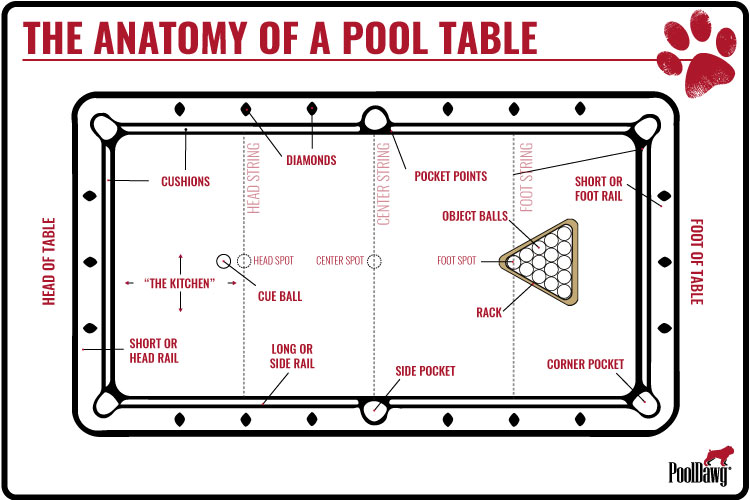
Start with the long rails: Most home tables have left and right long rails (the 78-79” sides). Connect the corner blocks or braces that attach the short rails.
Attach the short rails: These are the head and foot rails. Use the provided bolts, brackets, along with hardware. Don’t tighten everything fully yet. Yyou’ll fine-tune alignment later.
Install the legs: Typically, four legs screw or bolt into corner pockets or leg brackets. Ensure each leg sits flat and is screwed in securely but not so tight you strip the threads.
Check for squareness: Use your tape measure to check that the diagonals are equal. Measure from corner to corner in both directions. If the measurements are the same, your frame is square.
Reinforce Weak Points
Some tables have a center support for longer models. Install this according to the manufacturer’s specifications. This support is important for preventing sagging in the middle of the table over time.
Step 3: Install the Slate
This is the critical part. The slate is your playing surface, and it must be perfectly level and properly supported.
Understanding Slate Options
One-Piece Slate:
- Heavier (300-400 lbs) but superior for leveling
- No seams means no inconsistencies
- Requires more labor to install due to weight
- Better for serious players and permanent installations
Three-Piece Slate:
- Lighter and easier to handle (individual pieces are 100-150 lbs each)
- More common in home installations
- Requires careful alignment and beeswax application at seams
- Seams can become an issue if not properly maintained
Preparing the Base
Create a level foundation: Before placing slate, ensure the frame structure is level. Use shims under the legs to compensate for floor irregularities. Place shims under the low corners and recheck with your spirit level.
Clean the support surface: Remove any dust, debris, or old felt remnants from the frame where the slate will sit. A clean surface ensures proper contact.
Apply a thin adhesive layer: Some installers use a light coat of adhesive or rubber mat on the frame to prevent the slate from shifting. This is optional but recommended.
Installing the Slate
For one-piece slate:
Carefully position the slate in the center of the frame. This typically requires two or more people and possibly a dolly.
Check that it’s centered and fully supported on all sides.
Verify it’s level using your spirit level on multiple angles (side-to-side, end-to-end, and diagonals).
For three-piece slate:
Install the center piece first. This is your reference point.
Install the head piece, ensuring the seam is tight and aligned.
Install the foot piece, again ensuring tight seams.
Use a straightedge along the seams to verify they’re flush with no lips or gaps.
Shimming for Level Perfection
This is where patience pays off:
Place your marble or pool ball on the slate at the center. It should not roll in any direction.
Work systematically: Check the center, all four corners, and the midpoints of each side.
Add shims incrementally under table legs until the marble stays centered. Use small movements. Eeven ¼ inch can matter.
Recheck constantly as you adjust. It’s easy to over-correct.
Final verification: The ball should not roll in any direction when placed anywhere on the slate.
Step 4: Apply Beeswax to Slate Seams (For Three-Piece Tables)
This step is essential for three-piece slate tables. It seals the seams and keeps debris out of the gaps.
Why Beeswax?
Beeswax is the industry standard because it:
- Fills small gaps and imperfections
- Remains slightly pliable (won’t crack like glue)
- Can be easily removed and reapplied later
- Doesn’t interfere with ball roll
Application Process
Clean the seams thoroughly: Use a soft brush to remove all dust and debris from the gaps between slate pieces.
Warm the beeswax slightly: You can do this by warming it in your hands or using a heat gun on low. Warm wax is easier to work with and penetrates better.
Press wax firmly into the seams: Use a putty knife or a plastic tool to press beeswax into the entire length of each seam. Work it in thoroughly.
Scrape level: Once applied, use a straightedge or scraper to level the wax so it’s flush with the slate surface. This prevents felt from catching.
Check for completeness: Run your fingertip along the seam. You shouldn’t feel any gaps or lips.
Important note: Never use caulk or silicone sealant. These harden permanently and can interfere with future leveling adjustments.
Step 5: Install the Felt or Cloth
Now we’re bringing your table to life visually. Felt installation requires care to avoid wrinkles and ensure even coverage.
Preparing the Felt
Let the felt acclimate: Open the felt roll 24 hours before installation. This allows it to adjust to room temperature and humidity, preventing shrinkage after installation.
Inspect for defects: Check for any stains, tears, or manufacturing defects before installing.
Measure twice: Measure your slate and ensure the felt is cut appropriately, with about 2-3 inches of overhang on all sides for wrapping around the rails.
Installation Process
Center the felt carefully: Start by centering the felt lengthwise on the slate. Have a helper hold one end while you work.
Smooth as you go: Working from the center outward, smooth out wrinkles and air pockets. Use a plastic squeegee or a clean cloth. Nnever rough tools that might snag the felt.
Stretch evenly: As you wrap the felt around the rails, maintain even tension. Too much tension in one area causes wrinkles elsewhere; too little causes sagging.
Secure with staples or adhesive: Most installers use a staple gun along the underside of the rails. Staples should be every 4-6 inches and driven flush (not protruding).
Trim excess neatly: Once secured, trim the overhang from the underside. Leave enough to tuck neatly but not so much it creates bulk.
Install corner blocks: These decorative (and functional) pieces cover the staples and hardware at each corner.
Felt Maintenance Tips
- Brush the felt regularly with a soft, pool table-specific brush
- Avoid spilling liquids on the surface
- Replace worn felt every 2-3 years of heavy play
- Store unused felt rolls flat, never rolled
Step 6: Attach the Rails and Cushions
Rails are the bumpers that keep balls in play. They’re critical for game functionality.
Understanding Rail Construction
Most home tables have:
- Solid wood rails with cushion strips attached
- Elastic cushioning (usually rubber or synthetic)
- Pocket openings at corners and midpoints
Installation Steps
Check rail condition: Inspect cushion rubber for cracks, hardening, or compression. Hardened cushions won’t rebound properly and should be replaced.
Position the rails: Carefully position the long rails (sides) first, then the short rails (head and foot). They should fit snugly against the slate.
Secure with bolts: Most tables use bolts or set screws through the frame into the rails. Tighten securely but don’t over-torque. Yyou can crack wood.
Check alignment: The rails should form a perfect rectangle with the slate. No gaps should exist between the rail and the slate edge.
Install corner pocket jaws: These are the curved metal or plastic pieces that funnel balls into the pockets. Install them according to the manufacturer’s specifications.
Test the cushions: Roll a ball gently against each cushion. It should rebound evenly and not be too bouncy or dead.
Step 7: Level the Table Completely
You’ve assembled everything. Now comes the final leveling. Tthe most critical step for play quality.
Why Leveling Matters
An unlevel table creates dead spots and false banks. Even a ⅛ inch of slope is noticeable to serious players. This step determines whether your table plays fairly.
The Marble Roll Test
Place a marble in the center of the slate. It should not roll in any direction.
Test along the length: Slowly roll the marble from the head to the foot. It should travel straight without veering left or right.
Test the width: Roll it from side to side. Again, it should travel straight.
Diagonal test: Roll it diagonally across the table. This catches leveling issues the other tests might miss.
Corner tests: Place the marble near each corner. It should remain stationary or roll very slowly toward the center.
Using a Spirit Level
Place the level lengthwise on the slate. The bubble should be centered (or show minimal deviation).
Rotate 90 degrees and repeat. Check for consistency.
Place it diagonally across the corners. This reveals any warping.
Adjusting Shims
If the marble rolls or the level shows deviation:
Identify the high and low spots: The marble rolls toward the low side.
Add shims under the low legs: Work incrementally. Even ⅛ inch adjustments matter.
Retest constantly: Adjust, test, adjust, test. This is a patient process.
Lock in shims: Once level, secure shims so they won’t shift. Thin rubber shim material can be glued lightly.
Final Verification
Perform all three tests (marble roll, spirit level, corner checks) at least twice. You’re aiming for a playing surface where a marble placed anywhere on the slate either stays put or rolls very slowly toward the center.
Step 8: Install Pockets
Pockets are the final component. This is usually straightforward but requires attention to detail.
Pocket Types
- Leather pockets: Traditional, durable, classic look
- Nylon mesh pockets: Budget-friendly, easier to clean
- Drop pockets: Holes that allow balls to drop through a grate beneath
- Auto-return pockets: Mechanically return balls to one location (more advanced)
Installation
Position the pocket jaws: These should already be installed on the rails. Verify they’re snug and correctly positioned.
Install pocket liners or nets: Slide these into the jaws. They should fit snugly with no gaps where a ball could escape.
Secure with fasteners: Most pockets have small bolts or screws. Tighten these evenly so the pocket mouth is symmetrical.
Test ball entry: Drop a cue ball into each pocket. It should drop smoothly without binding or tilting.
Check geometry: The pocket opening should be slightly larger than a cue ball to allow entry but small enough to guide the ball cleanly.
Professional Installation vs. DIY: Cost Comparison and When to Hire
Let’s talk money and skill levels honestly.
DIY Setup Costs
- Tools you might need to purchase: $100-300 (if you don’t already own a spirit level, etc.)
- Materials (beeswax, shims, touch-up supplies): $30-75
- Time: 6-12 hours depending on table complexity
Total DIY cost: $130-375 (plus your labor)
Professional Installation Costs
- Standard installation: $250-500
- Slate replacement: $400-800
- Full leveling and certification: $600-1000+
Professional installers bring laser levels, years of experience, and can spot problems you might miss.
When to DIY
- You’ve got basic mechanical aptitude
- You’re patient and detail-oriented
- The table isn’t tournament-grade
- You’re comfortable spending 8-12 hours on the project
- You have someone to help with heavy lifting
When to Hire a Pro
- You want a warranty on the installation
- Your floor is severely uneven
- You’re installing a high-end, tournament-quality table
- You’ve got limited time
- The table uses one-piece slate (much heavier)
- You plan to play seriously or competitively
Honest take: If you’re spending $2,000+ on a quality slate table, another $300-500 for professional setup is cheap insurance against ruining your investment.
Common Setup Mistakes to Avoid
Learn from others’ mistakes:
1. Skipping the Floor Assessment
The mistake: Installing directly without checking floor level. The fix: Always assess your floor first and address major slopes before assembly.
2. Over-Tightening Bolts
The mistake: Cranking bolts as tight as possible damages threads and wood. The fix: Tighten until snug, then a quarter-turn more. Stop there.
3. Inadequate Leveling
The mistake: Checking level in only one direction or skipping the marble test. The fix: Test in multiple directions and use both methods (marble and spirit level).
4. Rushing Felt Installation
The mistake: Installing felt before it acclimates to room conditions. The fix: Let felt sit for 24 hours. It’s worth the wait.
5. Forgetting Seam Sealing on Three-Piece Slate
The mistake: Leaving gaps between slate pieces. The fix: Always apply beeswax to all seams on three-piece tables. No exceptions.
6. Improper Cushion Installation
The mistake: Loose cushions that rattle or rebound inconsistently. The fix: Ensure all bolts are tight and aligned. Test rebound before calling it done.
7. Ignoring Environmental Factors
The mistake: Installing in a damp basement or unheated garage. The fix: Consider room conditions before installation. Extreme conditions will cause problems later.
8. Not Testing the Marble Roll
The mistake: Assuming the table is level because it looks square. The fix: The marble roll test is non-negotiable. Trust it.
Worth checking out: If you need to replace your felt, take a look at the Championship Saturn II Billiard Felt on Amazon.
FAQ
How long does a pool table installation actually take?
DIY installation typically takes 8-12 hours spread over 1-3 days for someone without experience. Professional installers usually finish in 3-4 hours. The main time sink is leveling the table properly.
What if my floor isn’t level? Can I still set up a table?
Yes, but you’ll need to shim the legs to compensate. Minor variations up to ½ inch are manageable. Major slopes over 1 inch should be addressed before installation for best results.
Can I install the table alone, or do I need help?
You can do it solo, but having a second person makes it significantly easier and safer, especially when lifting slate, positioning the table, and stretching felt. Help is highly recommended if your table uses one-piece slate.
How do I know if my slate is warped?
Place a straightedge on the slate in multiple directions. You shouldn’t see light under the edge. If you do, the slate is warped and requires replacement.
How often should I replace the felt?
For casual home play, every 3-5 years. For regular use (2-3 times weekly), every 2-3 years. Heavy commercial use requires annual replacement. Look for pilling, stains, or worn paths as signs it’s time.
Frequently Asked Questions
How long does a pool table installation actually take?
For a home DIYer without experience: 8-12 hours spread over 1-3 days. For an experienced installer: 3-4 hours. If you’re hiring a pro, plan for a few hours and they’ll likely finish the same day.
What if my floor isn’t level? Can I still set up a table?
Yes, but you’ll need to shim the legs. Minor variations (up to ½ inch) are manageable. Major slopes (more than 1 inch) should be addressed before installation.
Can I install the table alone, or do I need help?
You can do it alone, but you’ll want help, especially when:
- Lifting slate pieces
- Positioning the table initially
- Stretching and securing felt
- Testing and making adjustments
A second person makes the job significantly easier and safer.
How do I know if my slate is warped?
Place a straightedge on the slate in multiple directions. You shouldn’t see light under the edge. A warped slate requires replacement.
What should I do if I get an uneven feel while playing after installation?
Don’t panic. This usually means the table has shifted slightly (common in the first month). Re-level using the marble roll test and adjust shims as needed. If the problem persists, call a professional. Yyou may have a deeper issue.
Can I move the table once it’s installed?
Yes, but carefully. Drain the slate of humidity for a few days before moving (cover it with plastic) so it won’t crack during transport. If moving long distances, consider disassembling it completely.
How often should I replace the felt?
For casual home play: every 3-5 years. For regular use (2-3 times weekly): every 2-3 years. For heavy commercial use: annually. Look for pilling, stains, or thin spots as indicators.
What’s the best way to clean and maintain my table?
- Brush the felt regularly with a soft pool brush
- Wipe rails and frame with a slightly damp cloth
- Check cushions for hardening or compression
- Address spills immediately
- Keep food and drinks away from the table
- Avoid direct sunlight to prevent fading
Should I use pool table covers?
Absolutely. A good cover protects from dust, prevents felt fading, and keeps the table in better condition. It’s a small investment with big returns.
What if the slate develops a crack after installation?
Minor surface cracks can be filled with beeswax or epoxy resin designed for slate. Structural cracks (deep, long, or spreading) require slate replacement. Contact your manufacturer about warranty coverage.
Conclusion: You’ve Got This
Setting up a pool table yourself is a realistic goal for anyone willing to invest time and attention to detail. The key is taking it slowly, testing constantly, and not cutting corners on leveling. That marble shouldn’t roll no matter where you place it—that’s your mantra.
Remember: the quality of your playing surface determines the quality of your game. A properly installed table will provide years of reliable, fun gameplay. Whether you choose to tackle this as a DIY project or hire a professional, understanding what goes into a correct installation makes you a smarter consumer and better prepared for the task.
If you’re setting up your first table and feeling nervous, that’s normal. If you’re upgrading from a beat-up old table to a quality slate model, you’re going to be amazed at the difference. And if you’re installing a premium table in your game room, treating the installation process seriously ensures you’ll be playing on a championship surface for decades.
Take your time, follow these steps, and trust the process. Before you know it, you’ll be breaking on a perfectly level table and wondering why you ever thought this was complicated. Now rack ‘em up and enjoy—you’ve earned it.
Have questions about pool table setup? Leave a comment below or reach out to our team at Billiard Beast. We’re here to help you build the perfect game room.
Related Articles
For more on this topic, check out how to play pool, pool table reviews, pool cue reviews, billiard game types, and best cues for beginners.
Check out our top-rated gear picks — selected and reviewed by billiards enthusiasts.